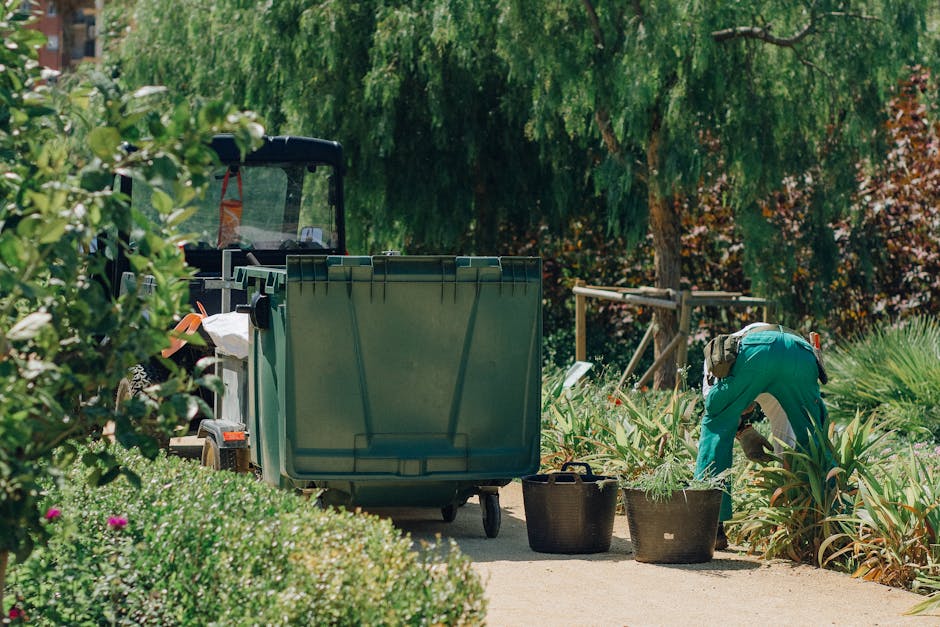
Avoid common mistakes when hiring a Victoria gardener for terraces
If you are trying to improve a terrace in Victoria, hiring the right gardener can make the difference between a space that feels calm, tidy, and genuinely usable, and one that ends up looking rushed or oddly unfinished. The tricky part is that terrace gardens are not the same as larger suburban plots. They are compact, often exposed, sometimes shaded, and usually packed with details that a general gardener can miss. This guide will help you avoid common mistakes when hiring a Victoria gardener for terraces, so you can choose with confidence and get results that actually suit the space.
To be fair, most hiring mistakes are not dramatic. They are small oversights: assuming every gardener understands terrace layouts, forgetting to ask about access, or choosing on price alone. But small mistakes in a terrace garden add up fast. A narrow courtyard can feel even smaller if planting is wrong. A deck can become slippery if maintenance is neglected. A hedge can block light just when you need it most. Let's get practical.
Table of Contents
- Why Avoid common mistakes when hiring a Victoria gardener for terraces Matters
- How Avoid common mistakes when hiring a Victoria gardener for terraces Works
- Key Benefits and Practical Advantages
- Who This Is For and When It Makes Sense
- Step-by-Step Guidance
- Expert Tips for Better Results
- Common Mistakes to Avoid
- Tools, Resources and Recommendations
- Law, Compliance, Standards, or Best Practice
- Options, Methods, or Comparison Table
- Case Study or Real-World Example
- Practical Checklist
- Conclusion
- Frequently Asked Questions
Why Avoid common mistakes when hiring a Victoria gardener for terraces Matters
Terraces need a different mindset from bigger gardens. Space is limited, so every decision carries more weight. A plant that would be harmless in a larger border can dominate a terrace. A poor pruning job can throw off the whole balance. A missed drainage issue can turn a lovely corner into a soggy nuisance. In a smaller garden, there is less room to hide poor planning.
That is why hiring carefully matters so much. A good terrace gardener should understand proportion, light, access, and maintenance cycles. They should know how to keep a compact garden looking fresh without overcomplicating it. If they do not, you may end up paying twice: once for the job, and again to correct it.
There is also the simple issue of day-to-day enjoyment. People hire help because they want an outdoor space that feels easy to live with. Not a project that nags at them every weekend. In Victoria, where many terraces and townhouses have tight outdoor areas, a sensible gardening approach can make a real difference to how your home feels. One neatly maintained terrace can look bigger, brighter, and far calmer than a cluttered one. Funny how that works, isn't it?
How Avoid common mistakes when hiring a Victoria gardener for terraces Works
At its simplest, this process is about matching the right person to the right kind of outdoor space. That sounds obvious, but it is often where things go wrong. A terrace gardener is not just someone who cuts grass or trims hedges. They may need to manage container planting, seasonal maintenance, hard landscaping, decking care, tidy borders, weed control, waste removal, and access through a house or side passage. Sometimes all in one visit.
Good hiring starts before the first quote. You describe the space properly, explain what feels wrong, and make clear whether you want one-off work or regular maintenance. The gardener then assesses the site and tells you what is realistic, what is urgent, and what can wait. If they skip that step and give a vague price straight away, that is usually a sign to slow down.
For terrace gardens, the best results tend to come from a practical rhythm: assess, plan, clear, improve, then maintain. A one-off tidy-up might help, but a terrace often benefits from repeat attention. That is where services such as garden maintenance, lawn mowing where relevant, and hedge trimming can be especially useful. If the space is being reshaped rather than simply maintained, landscaping and landscape gardening may be more appropriate.
Key Benefits and Practical Advantages
When you hire well, the benefits are obvious pretty quickly. The terrace looks cleaner, feels easier to use, and needs less rescue work later. But there are also quieter advantages that matter just as much.
- Better use of space: a terrace specialist understands how to stop small gardens from feeling crowded.
- Less waste: the right planting and pruning choices reduce the need for constant corrections.
- Improved safety: wet decking, loose paving, and overgrown edges are easier to spot early.
- Lower ongoing stress: a clear maintenance plan means fewer surprise jobs.
- More consistent appearance: compact gardens often look best when they are cared for regularly, not in bursts.
- Better value for money: a competent gardener should help you spend where it matters and avoid pointless extras.
In practice, a good terrace garden often feels more expensive than it was to create because the details are controlled. That is the secret, really. Not extravagance. Control.
And if your terrace includes timber elements, think decking care early. A small area of neglected wood can quickly look shabby. If you are planning upgrades, decking services can be a sensible route to explore alongside planting and maintenance decisions.
Who This Is For and When It Makes Sense
This advice is for anyone with a terrace, courtyard, roof terrace, compact town garden, or small urban outdoor space in Victoria. It is especially relevant if your garden:
- feels cramped or awkwardly arranged
- does not get much sunlight
- needs better seasonal planting
- has decking, paving, or hard surfaces that need care
- has mature shrubs, hedges, or trees close to boundaries
- has become overgrown after a period of neglect
It also makes sense if you are moving into a property and want the terrace sorted before you settle in. Or if you have tried the DIY route and realised the problem is not just lack of time. Sometimes the garden needs judgement, not just effort.
Landlords, homeowners, and letting agents can all benefit from the same careful approach. A terrace that looks neglected can shape first impressions very quickly. And in a city setting, first impressions are not subtle.
Step-by-Step Guidance
If you want to avoid the usual mistakes, follow a simple process. No need to make it complicated.
- Define the job clearly. Decide whether you need maintenance, clearance, a one-off tidy, or a full redesign.
- Photograph the space. Good pictures help the gardener understand access, shade, condition, and scale.
- List your priorities. For example: more light, less clutter, better planting, safer surfaces, easier upkeep.
- Ask what experience they have with terraces. A general gardener may be excellent, but terrace work needs specific thinking.
- Request a written quote or clear scope. The price should explain what is included and what is not.
- Check practical details. Ask about waste removal, timing, access, equipment, and whether they can work around neighbours or building rules.
- Discuss maintenance frequency. A terrace often benefits from regular light care rather than occasional heavy work.
- Confirm communication. You want someone who can explain choices without jargon and who will be easy to reach if plans change.
A small but useful habit: ask the gardener what they would not do. That question tells you a lot. A trustworthy professional knows the limits of the job and should be comfortable saying so. If someone claims every solution is easy, that is usually not a great sign.
Expert Tips for Better Results
Here is where a little experience saves money and frustration.
1. Prioritise structure before decoration. On terraces, the bones of the space matter. Surfaces, edges, planters, drainage, and access should be sorted before you obsess over flowers. Flowers are lovely. But they do not fix bad layout.
2. Choose plants for the site, not the mood board. A south-facing terrace with full sun is a very different beast from a shaded courtyard that stays cool and damp. Good gardeners will talk honestly about plant performance, not just visual style.
3. Keep maintenance realistic. If you do not want weekly attention, say so. A terrace packed with high-maintenance plants can look great for six weeks, then become a burden. Truth be told, this is one of the most common mistakes.
4. Ask about access and protection. Terrace work often means carrying tools through hallways, stairs, or communal areas. A careful gardener will think about cleanliness, noise, and respect for the property.
5. Watch how they talk about pruning. Overpruning can leave a terrace looking stark and tired. Underpruning can make it feel cluttered. The right balance matters. A lot.
6. Don't ignore recycling and waste. Clippings, soil, broken pots, and green waste all need to go somewhere. If waste handling matters to you, look at the company's recycling and sustainability approach before you book.
Common Mistakes to Avoid
This is the heart of it. If you avoid these mistakes, you will already be ahead of many people hiring a gardener for a terrace.
1. Choosing only on price
The cheapest quote can be tempting, especially if the terrace has got a bit out of hand. But price alone rarely tells you whether the gardener understands the space. A low quote might exclude waste removal, plant supply, or follow-up work. Suddenly the "cheap" option becomes awkwardly expensive.
2. Not asking about terrace-specific experience
A gardener who works mostly on large lawns may be excellent at their job and still be the wrong fit here. Terrace work calls for precision, restraint, and design awareness. Ask directly about similar jobs.
3. Failing to define the scope
"Sort the garden out" is not enough. Be more specific. Do you want clearing, planting, shaping, ongoing care, or all three? If the brief is vague, the result will usually be vague too.
4. Forgetting about access and logistics
It sounds dull, but it matters. Can tools get in easily? Is there parking nearby? Will equipment need to be carried through the property? If access is awkward, the job takes longer and the quote may change.
5. Ignoring drainage and surface condition
On terraces, water movement can become a headache. If a gardener is focused only on plants and never mentions drainage, pooling, or slippery areas, they may be missing something important.
6. Overloading a small space with too many ideas
Small gardens can become cluttered fast. Too many pots, colours, heights, or materials make the terrace feel busy rather than restful. Sometimes the best fix is subtraction, not addition. Less, but better.
7. Not checking what happens after the first visit
A one-off tidy is useful, but what then? If you want the terrace to stay looking good, ask about maintenance plans, seasonal touch-ups, or what you can manage yourself between visits.
8. Assuming all hedge, tree, or clearance work is routine
If your terrace includes mature planting close to structures, take care. Some jobs require extra caution, especially when working near walls, windows, or neighbouring properties. In these cases, services like tree lopping and removal or garden clearance may be relevant, but only when properly assessed.
Tools, Resources and Recommendations
You do not need a shed full of kit, but a good gardener should arrive prepared. For terraces, the useful basics often include hand tools, secateurs, pruning saws, lightweight cutting equipment, breathable waste sacks, protective gloves, and surface-safe cleaning tools. Sometimes the best tool is restraint. That sounds a bit glib, but it is true.
From a homeowner's point of view, the best "resources" are usually simple:
- clear photos of the terrace before the quote
- a rough plan of how you want to use the space
- a list of plants you know you want to keep
- notes on access, water supply, and storage
- any concerns about neighbours, noise, or shared areas
If you want a broader overview of the services a local team may offer, the services overview page is a sensible place to understand the range of support available. For pricing questions, the pricing and quotes information can also help you prepare smarter questions before booking.
And if you are checking the company behind the service, it is worth looking at the about us page too. Not because a nice page guarantees good work, obviously, but because it can show how the team presents their standards and approach.
Law, Compliance, Standards, or Best Practice
For terrace gardening, compliance is usually less about formal paperwork and more about sensible, responsible working practices. That said, there are still important standards to keep in mind.
A professional gardener should work in a way that respects property boundaries, avoids unnecessary damage, and manages tools safely. If tree work is involved, the job may need a more cautious approach than a routine trim. If chemicals are used at all, they should be handled carefully and only where appropriate. And if a gardener is working on or near shared access routes, they should think about safety, cleanliness, and disruption.
In UK practice, it is also reasonable to expect clear terms, transparent pricing, and appropriate insurance. You are within your rights to ask whether a business is insured and how it handles site safety. A reputable provider should not act offended by that. Quite the opposite, really.
Policies can also tell you a lot. For example, a company's insurance and safety information may give you reassurance about how risks are handled, while the health and safety policy shows whether they take safe working seriously. If payment security matters to you, the payment and security page is another useful trust signal. Small details, but they matter.
Options, Methods, or Comparison Table
Different terrace gardens need different levels of support. Here is a simple comparison to help you choose the right kind of service.
| Approach | Best for | Strengths | Possible drawbacks |
|---|---|---|---|
| One-off tidy | Overgrown or neglected terraces | Fast reset, visible improvement | Short-lived if no follow-up plan exists |
| Regular maintenance | Terraces that are already in decent shape | Consistent appearance, easier upkeep | Requires scheduling and commitment |
| Light redesign or landscaping | Spaces that feel awkward or poorly used | Improves flow, function, and style | Needs clearer planning and usually a bigger budget |
| Targeted specialist work | Decking, hedges, clearance, or tree issues | Solves specific problems efficiently | May need coordination with other services |
In many cases, the best route is a blend. A terrace may need clearing first, then maintenance after the layout is sorted. That is often cleaner than trying to fix everything in one sweep.
Case Study or Real-World Example
Picture a typical Victoria terrace: a narrow outdoor space behind a flat, with a couple of tired planters, one patch of uneven paving, some overgrown planting at the back, and a deck that has gone slightly dull after a wet spell. Nothing disastrous. Just a bit neglected.
The first instinct might be to ask for a "full tidy." But that phrase hides a lot. A better approach would be to say what needs attention: remove dead material, thin out overgrown shrubs, check the deck surface, improve the planting structure, and make the space easier to maintain. That changes the job from a guess to a plan.
In a real-world situation like this, a good gardener would probably start by clearing clutter, then looking at the strongest features. Maybe the back wall could support a simpler planting scheme. Maybe the deck needs treatment rather than replacement. Maybe the access route means all waste must be bagged and moved carefully through the property. Small things, but they add up. By the end, the terrace feels calmer and much easier to live with.
What usually makes the difference is not a dramatic transformation. It is the removal of friction. The area becomes easier to use, easier to clean, and easier to enjoy on a grey afternoon with a mug of tea in hand. Very British, really.
Practical Checklist
Use this checklist before you hire a Victoria gardener for a terrace:
- Do I know whether I need maintenance, clearance, landscaping, or a mix of services?
- Have I explained the terrace layout, access, and any awkward spots?
- Did I ask whether they have experience with terrace gardens specifically?
- Have I checked what the quote includes and excludes?
- Did I ask about waste removal and recycling?
- Have I discussed how often the space will need follow-up care?
- Did I ask about insurance, safety, and working practices?
- Do I understand how they will handle planting, pruning, and surface care?
- Have I considered whether decking, hedging, or tree work is involved?
- Do I feel comfortable with their communication and professionalism?
If you can tick most of those boxes, you are in decent shape. If several are still unclear, pause and ask more questions. It saves headaches later.
Conclusion
The easiest way to avoid common mistakes when hiring a Victoria gardener for terraces is to treat the job as a specialist one. Ask better questions. Be clear about the result you want. Think about access, maintenance, and the realities of a small outdoor space. Above all, choose someone who understands that a terrace is not just "a tiny garden." It is a compact environment with its own rhythm, limits, and opportunities.
When you get the choice right, the benefits are immediate. The space feels more open, more useful, and far less stressful to look after. And that is really the point, isn't it? Not a garden that impresses for a week, but one that quietly works for you month after month.
If you are ready to take the next step, review your priorities, compare a few options, and make sure the service matches the shape of your terrace rather than forcing the terrace to fit the service.
Get a free quote today and see how much you can save.
Frequently Asked Questions
What should I ask before hiring a gardener for a terrace?
Ask about terrace-specific experience, what is included in the quote, how they handle access, waste removal, and whether they recommend ongoing maintenance. That gives you a much clearer picture than a simple price alone.
How do I know if a gardener understands small terrace gardens?
They should talk about scale, shade, drainage, planting balance, and upkeep. If they only mention general gardening tasks and never discuss the layout or constraints of a small space, that is a warning sign.
Is a one-off tidy enough for a terrace garden?
Sometimes, yes. If the space is already in decent shape, a tidy-up can work well. But if the terrace is compact and exposed, it often needs regular maintenance to keep looking good.
What is the biggest mistake people make when hiring a gardener for terraces?
Choosing purely on price is probably the most common mistake. A cheap quote can leave out important work or fail to account for the practical challenges of terrace gardens.
Should I ask for a written quote?
Yes, if possible. A written quote or clear scope helps avoid confusion about labour, materials, waste removal, and any follow-up visits. It also gives you something to compare if you are getting multiple estimates.
Do terrace gardens need different plants from larger gardens?
Usually, yes. Terraces often have more shade, more wind exposure, and less soil depth. That means plant choice matters more than people expect, and the wrong plant can create extra work very quickly.
What if my terrace includes decking or hard landscaping?
Then you should ask whether the gardener can maintain those surfaces properly or coordinate with related services. Decking, paving, and planting all need slightly different care. It is best not to assume one person will automatically handle everything in the same way.
How often should a terrace garden be maintained?
It depends on the planting and how much use the space gets. Some terraces need monthly visits, while others do fine with seasonal care plus occasional tidy-ups. A good gardener should suggest a realistic schedule.
Can a gardener help make a terrace look bigger?
Yes. Better structure, cleaner lines, thoughtful planting, and reduced clutter can make a terrace feel more spacious. The trick is using the space wisely rather than filling every corner.
Should I worry about insurance and safety?
Definitely. It is sensible to ask whether the gardener is insured and how they approach safety, especially if tools, ladders, tall shrubs, or tree work are involved. A professional should be comfortable answering that.
What if I only need part of the work done?
That is completely fine. In fact, breaking the job into stages can be the smarter option. You might start with clearance, then move to planting or regular maintenance once the terrace is back under control.
How do I avoid paying for unnecessary work?
Be very clear about what you want and ask the gardener to explain why each task matters. A trustworthy professional will tell you what is essential, what is optional, and what can wait a bit longer.
For more detail on the company's services and values, you can also review the services overview and the contact us page when you are ready to make an enquiry.
Why does terrace gardening in Victoria need extra care?
Because compact urban gardens tend to have less margin for error. Light, wind, access, and space constraints all play a bigger role, so careful planning and a tidy maintenance routine matter more than they do in larger gardens.
What should I do first if my terrace is badly overgrown?
Start with a clear assessment and ask for a structured clearance plan. If the area includes a lot of waste, dead material, or bulky growth, a garden clearance service can be the right first step before any finer work begins.
And if you want a company background before deciding, the about us page and terms and conditions page can help you feel more comfortable with the basics. A little checking now is never wasted. It is the kind of boring diligence that saves you from the annoying stuff later.